
Why Tent Weights & Utility Locates Matter (A Helpful Walkthrough)
Understanding the safety steps behind every professional tent installation
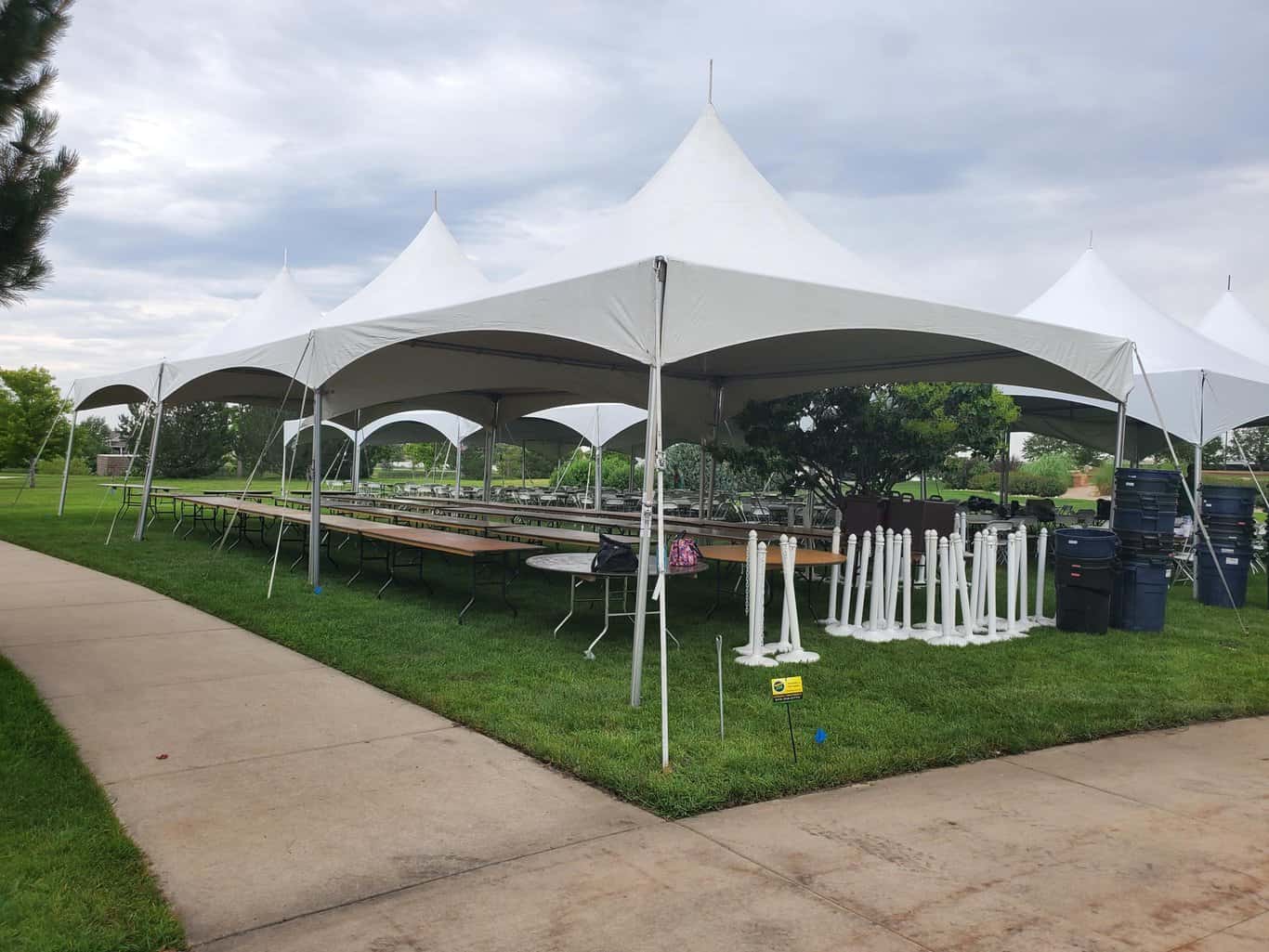
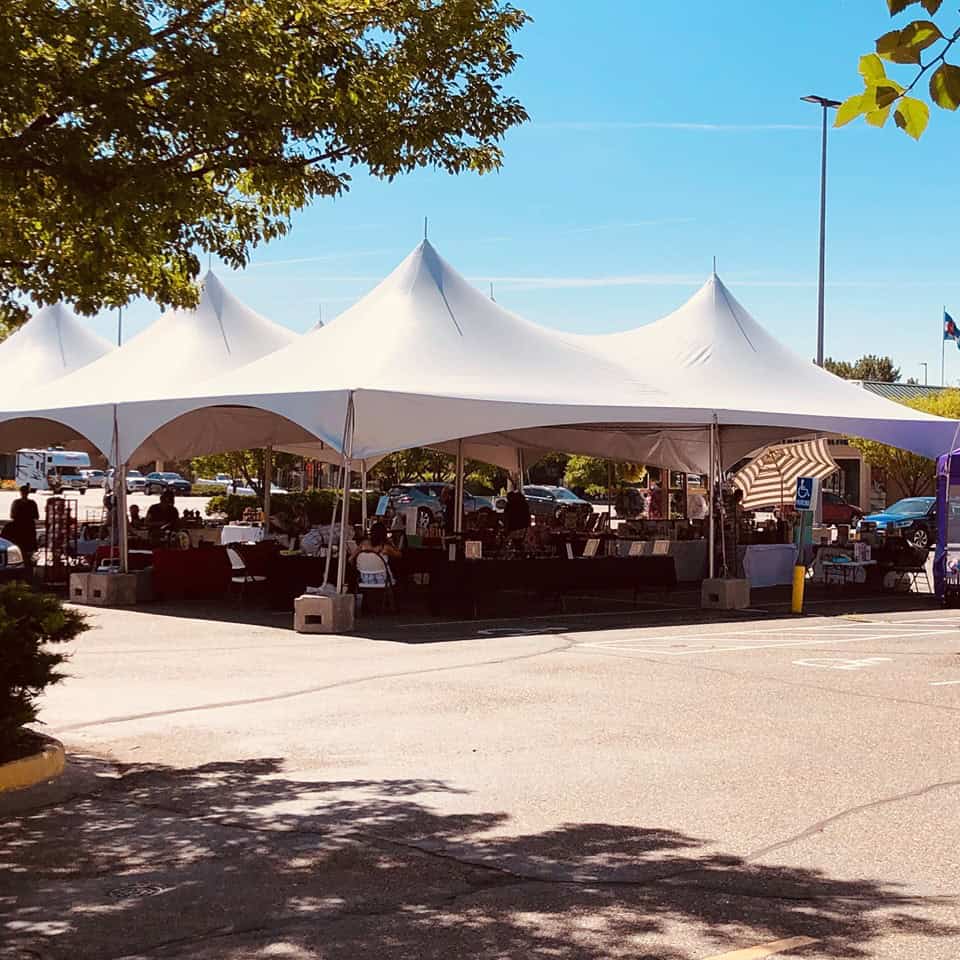
When clients book a tent for their wedding or event, the logistics behind installation aren’t always obvious. You choose a size, pick a style, and schedule delivery—but behind the scenes, a lot of crucial safety work happens to ensure your tent is properly anchored and legally compliant. Two of the biggest components of that process are utility locates and tent weights.
While they may sound like small technical details, these steps protect your guests, your venue, and your event. Here’s a simple walkthrough of what they mean, why they matter, and what you can do during weather events to keep everyone safe.
1. What Is a Utility Locate—and Why Is It Required?
A utility locate marks all underground utilities on your property or venue so our crew knows exactly where it is safe to stake your tent. This includes:
-
Gas lines
-
Water lines
-
Electric lines
-
Fiber/communication cables
-
Sewer or septic lines
-
Irrigation systems
If your tent requires staking, a locate isn’t optional—it’s required for safety and is built into industry best practices.
Why it matters
Tent stakes go deep—often 24–36 inches—and hitting an unmarked line can cause:
⚠ Gas leaks
⚠ Electrical hazards
⚠ Flooding
⚠ Internet outages
⚠ Property damage
⚠ Serious injury
This is why FRER helps coordinate locates in advance so your tent can be installed safely and legally.
2. When Staking Isn’t Allowed
Many venues do not allow staking, and sometimes locates reveal that certain areas of your yard or property are unsafe to puncture.
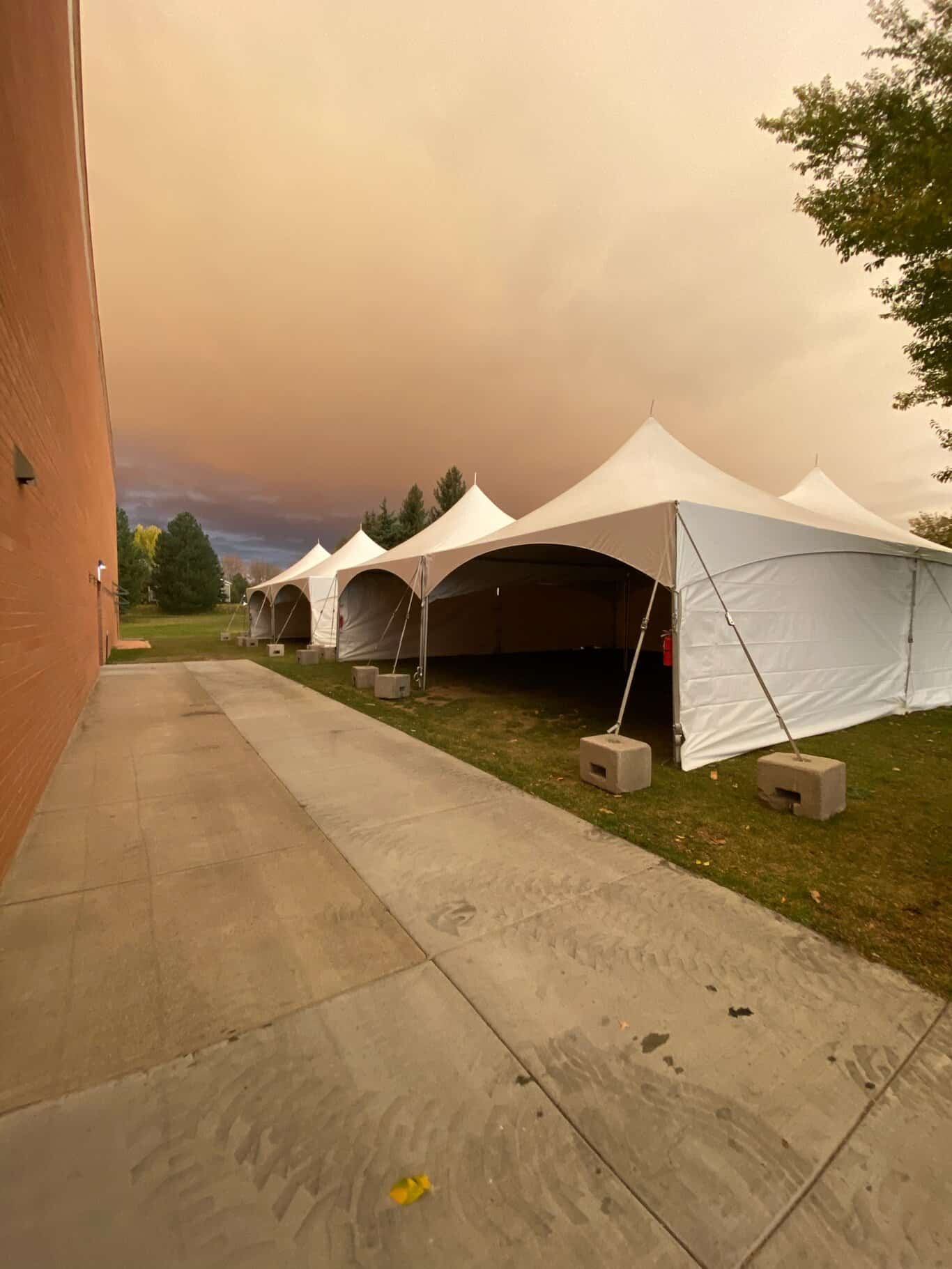
In these cases, tents are safely anchored using concrete tent weights instead.
Places that commonly require weights include:
-
Concrete or asphalt
-
Historic venues
-
Athletic fields
-
Patios
-
Areas with shallow utilities
-
Yards with extensive irrigation
3. What Are Tent Weights?
Tent weights are large concrete blocks engineered specifically to anchor frame tents when staking isn’t possible. They are designed to:
-
Withstand wind
-
Keep the frame stable
-
Ensure safe installation
-
Protect the venue surface
They also require additional labor, equipment, and truck space—which is why they appear as a separate line item on your quote.
4. What Guests Don’t Know: Tent Safety Depends on Correct Anchoring
To most people, tents look simple. But in reality, they are engineered structures that rely on proper anchoring to stay safe.
Improperly anchored tents can:
-
Lift during high winds
-
Collapse
-
Shift or sway
-
Damage nearby structures
-
Create serious safety hazards
This is why weights and locates are not “nice to have”—they are essential.
5. What You Can Do When Weather Comes Through
Colorado weather can change quickly, and even properly installed tents need a little attention when storms roll in. Here are simple things clients can do to help protect the tent (and everyone inside) during unexpected weather:
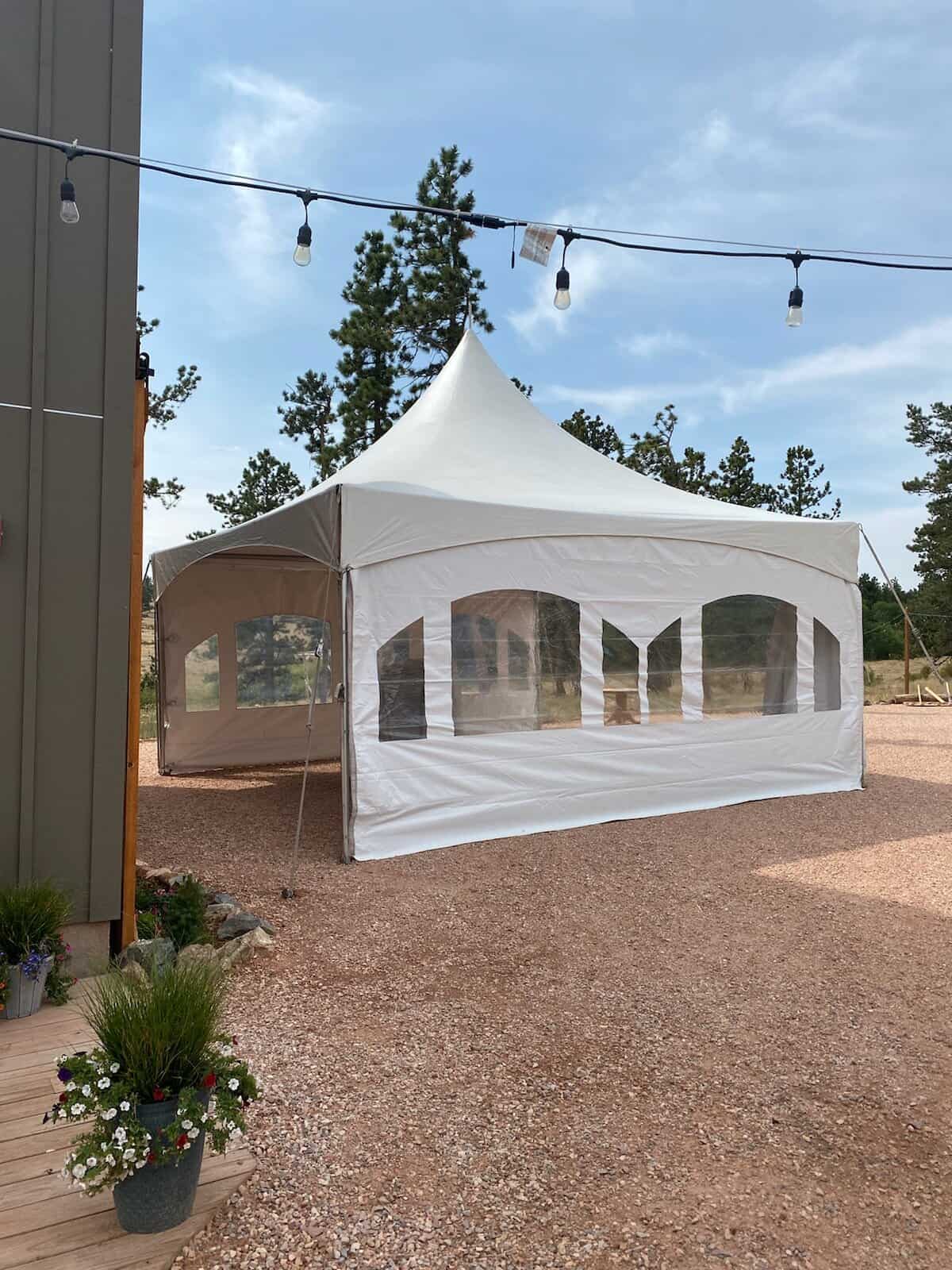
✔ Open the sidewalls when wind picks up
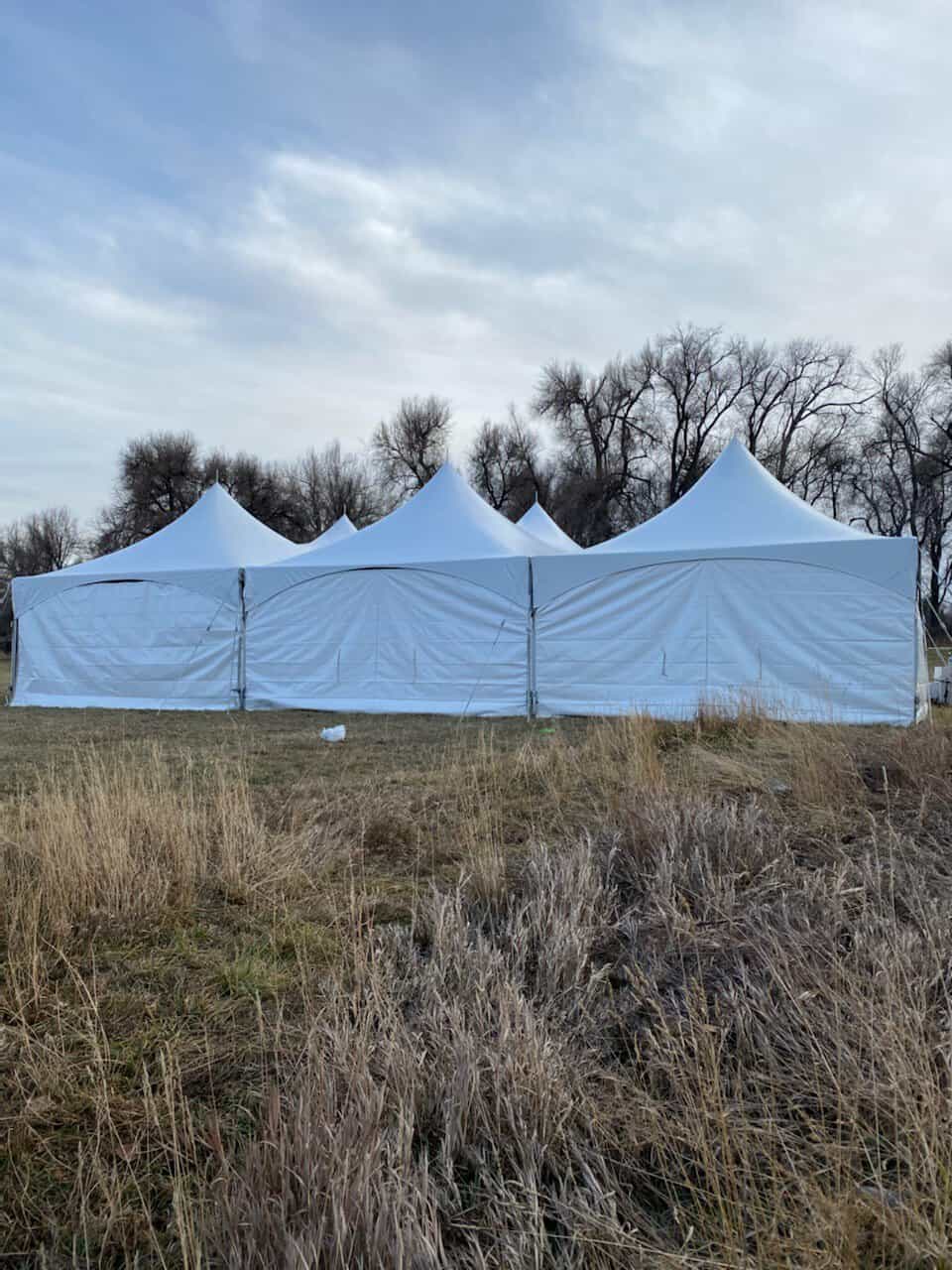
Sidewalls act like sails in strong wind. Opening them reduces resistance and helps the tent breathe, improving stability.
✔ Push snow or water buildup off the top
Pooling water or heavy snow adds weight and strain to the structure. If you notice buildup, gently pushing it off with a broom or long pole can prevent damage.
✔ Call us immediately if something seems off
If you notice flapping fabric, shifting poles, loud creaking, or anything concerning, always call FRER.
We’d rather be safe than sorry.
Our team can advise you remotely or send assistance if needed.
6. A Realistic Note About Weather Risk
Tents are professionally engineered and installed to withstand typical weather, and FRER follows strict safety standards when anchoring, staking, and weighting.
However, it’s important to acknowledge something honestly:
In extremely high winds or severe weather, damage can still occur—even when the tent was installed perfectly.
This is simply the nature of outdoor events. No rental company can guarantee that a tent will withstand extreme wind events, microbursts, or unexpected storms.
Choosing a tented outdoor event means accepting a small amount of weather-related risk. What we can guarantee is that:
-
We install every tent to industry standards
-
We use proper anchoring for your site
-
We provide clear instructions
-
We respond quickly when weather concerns arise
7. FRER’s Safe Installation Process
Here’s how we ensure every tent is secure:
Step 1: Evaluate your site
We assess the surface, slope, and anchoring needs.
Step 2: Coordinate utility locates
Scheduled 2–7 days before installation.
Step 3: Determine staking or weighting
Based on what’s safe and allowed at your site.
Step 4: Install the tent safely
Our trained crew uses the correct tools, anchors, and industry procedures.
Step 5: Weather monitoring & client support
We provide guidance for windy or wet conditions and are always just a phone call away.
Final Thoughts
Tent weights and utility locates aren’t there to overcomplicate your event—they’re there to protect it. These steps ensure that your tent is safely installed, legally compliant, and prepared for the unpredictable nature of outdoor events.
And while tents are built to withstand weather, taking a few simple precautions (like opening sidewalls or clearing off buildup) and staying in communication with us can make a huge difference in keeping your event running smoothly.
With the right anchoring and safety practices, your tented event can be beautiful, comfortable, and secure—no matter what Colorado throws our way.
